
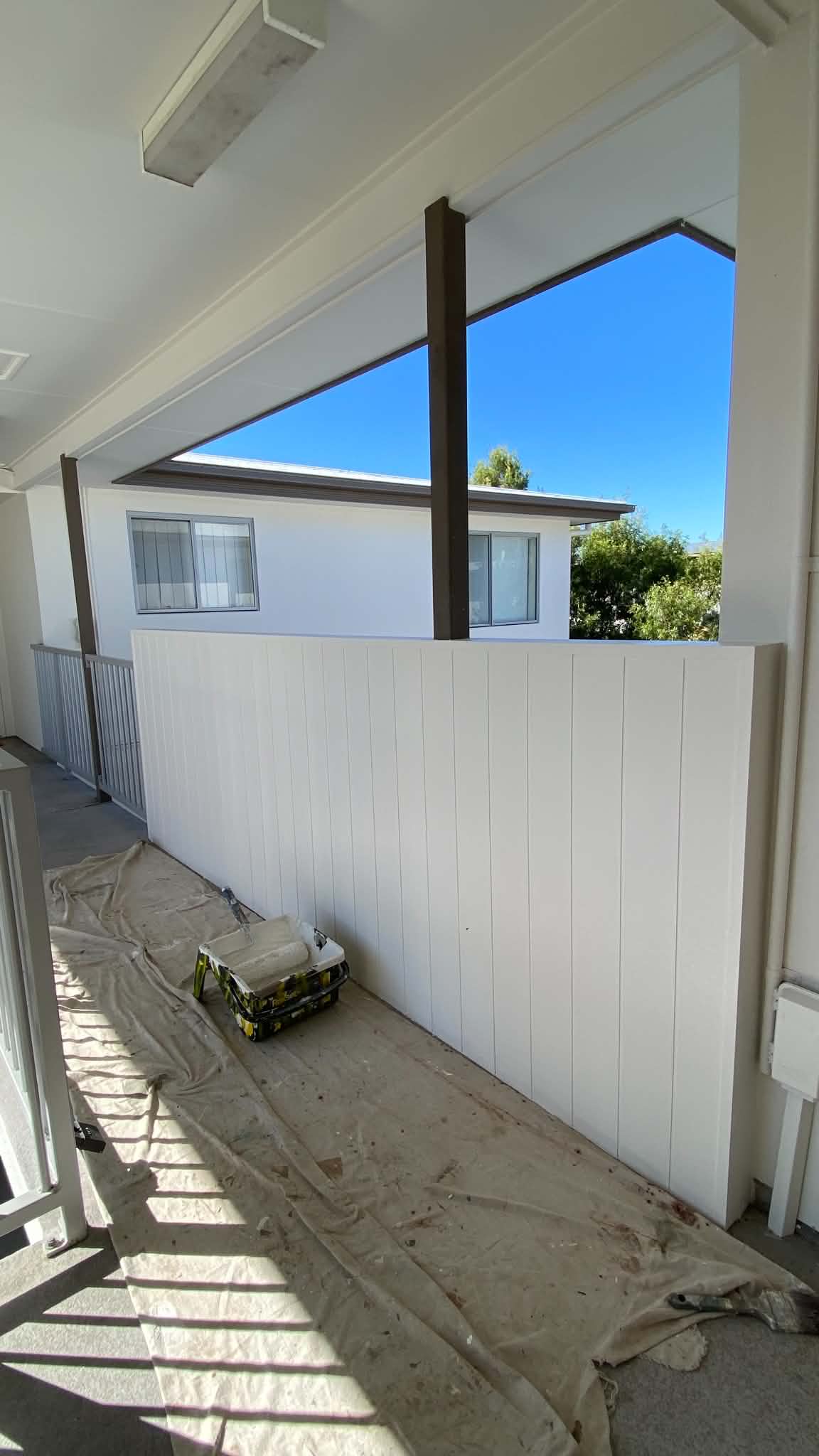
In the painting trade, there is a fundamental truth that separates master painters from budget operators: eighty percent of a paint job longevity, finish quality, and adhesion is determined before a single can of topcoat is opened.
Applying the most expensive paint over poorly prepared, dirty, or flaking walls produces premature bubbling, visible roller lines, and peeling within eighteen months. Here is why rigorous surface preparation is the cornerstone of every durable paint project.
The Chemistry of Paint Adhesion: Mechanical vs Chemical Bonding
Paint does not adhere to walls through magic. It creates a bond through two distinct physical mechanisms:
- Mechanical Interlocking: Paint resin flows into microscopic ridges and open pores on the surface, anchoring itself as the liquid cures into a solid film.
- Chemical Bonding: Specialized primers form direct molecular bonds with the underlying substrate (such as cellulose in timber, gypsum in plasterboard, or silicates in masonry).
If a surface carries loose dust, body oils, silicone contamination, or chalking from degraded old paint, the new paint bonds to the contamination rather than the solid substrate. Under seasonal temperature changes, the unbonded film releases and peels away in sheets.
The Core Stages of Professional Preparation
1. Thorough Washing and Degreasing
Kitchens, hallways, and exterior walls collect grease, soot, and hand grime. Washing walls with sugar soap or specialized citrus cleaners breaks down oil films. On exteriors, high-pressure washing removes surface salts and chalked binder resins.
2. Dustless Mechanical Sanding
Sanding serves two critical purposes: it removes physical ridges from previous bad paint applications and provides a clean mechanical key for the new paint. Professional painters use HEPA-extracted orbital sanders to capture fine dust particles at the tool face, keeping home interiors spotless.
3. Substrate Defect Repair and Caulking
Hairline plaster cracks must be opened with a scraper blade, taped with fibreglass scrim tape, and skimmed with fine jointing compound across three feathering passes. Skirting boards, architraves, and window frames receive flexible acrylic sealant to eliminate unsightly dark shadows and draughts.
4. Specialized Primer-Sealor Selection
Raw substrates require dedicated primer systems:
- Plasterboard: Water-based acrylic sealer binders seal porous paper facing and joint compound equally, preventing patchy sheen absorption.
- Stains and Water Marks: Pigmented shellac or oil-based stain blockers lock tannins, water stains, and soot permanently into the wall so they cannot bleed through topcoats.
- Bare Exterior Timber: Slow-drying oil primers penetrate timber grain deeply, feeding dried wood fibers with resin.
The Long-Term Return on Preparation Rigour
Skimping on preparation saves a few hours during application, but forces a complete, expensive strip-and-repaint within two or three years. Investing in thorough preparation guarantees smooth, crisp lines, rich color depth, and a finish that endures beautifully for a decade.